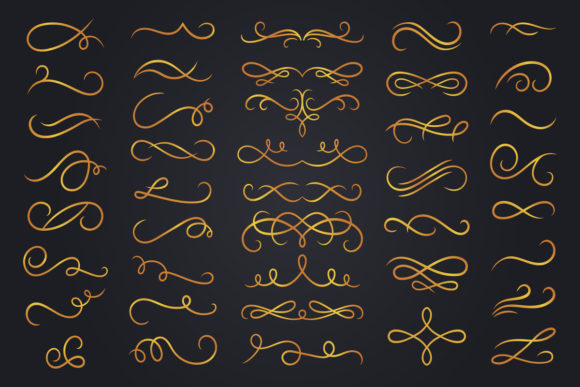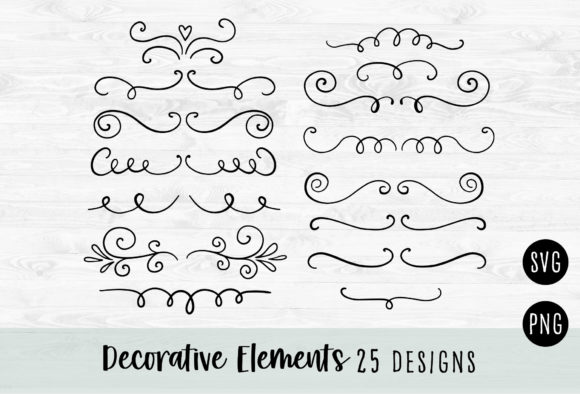
Decorative Elements and Swirls Svg Graphics
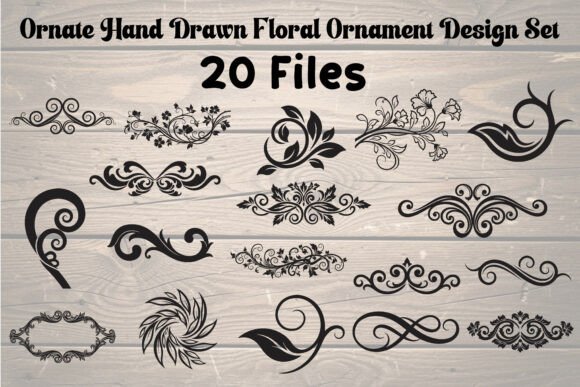
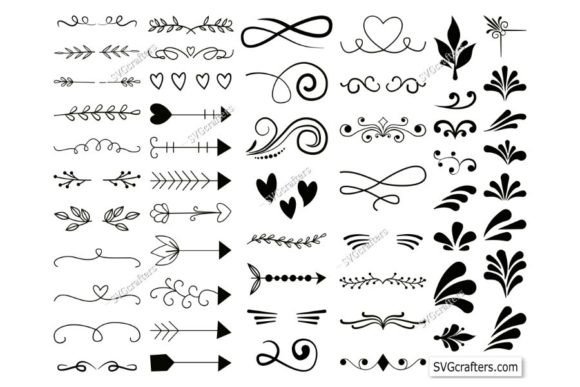
As a brand designer, I often look for graphic design assets that can elevate a small business’s visual identity without overwhelming it. The Decorative Elements and Swirls Svg offers a versatile collection of illustrations that can enhance local business branding, product packaging, and promotional materials. This SVG set includes hand-drawn ornaments, swirls, vintage designs, flourishes, dividers, and cut files compatible with Cricut machines. Its mix of traditional and modern styles makes it ideal for businesses aiming to create a warm, elegant, or playful brand personality.
The First Impression: Aesthetic and Mood
Upon first glance, the Decorative Elements and Swirls Svg evokes a sense of nostalgia and craftsmanship. The hand-drawn quality suggests a handmade business or a boutique brand looking to convey authenticity. The vintage style adds a touch of elegance, while the intricate swirls and flourishes offer a decorative flair that can work well in both rustic and modern settings. For a bakery or a skincare brand, this asset can help establish a premium yet approachable image.
Its soft, flowing lines and organic shapes make it perfect for brands aiming to feel friendly and welcoming. When used thoughtfully, it can add character to product labels, packaging accents, and social media graphics without overpowering the message.
Real-World Applications for Local Businesses
For a small business, the Decorative Elements and Swirls Svg can be a valuable addition to their design toolkit. It works well in logo design, where subtle flourishes can add a unique touch to a brand’s identity. In product labeling, these elements can serve as decorative borders or background textures, making the label stand out on a shelf.
In packaging design, the SVGs can be used as accents on boxes, bags, or gift wrap. They also shine in printable design projects such as thank-you cards, stickers, and menu graphics. For a coffee shop or a handmade soap business, using these elements in social media graphics can help maintain a cohesive visual theme across platforms.
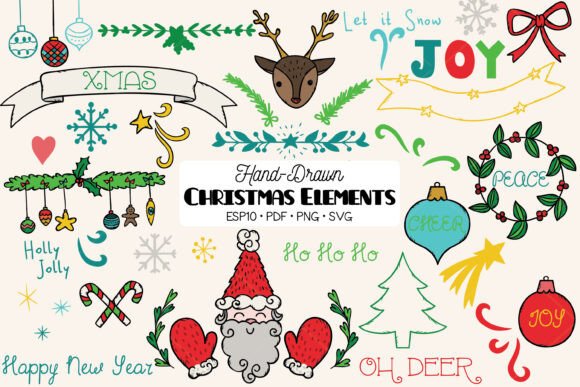
When designing for a seasonal campaign, the versatility of the Decorative Elements and Swirls Svg allows for quick adjustments. Whether it's a holiday promotion or a summer sale, these illustrations can be adapted to fit the mood and message of the campaign.
Supporting Business Presentation
Using the Decorative Elements and Swirls Svg can significantly improve a business’s presentation. These illustrations help create a stronger first impression by adding visual interest to product packaging and marketing materials. They also support better product recognition, especially when used consistently across different touchpoints.
Visual hierarchy is another area where these elements can make a difference. By using them as separators or decorative accents, you can guide the viewer’s eye through the design without cluttering the layout. This is particularly useful in editorial design, web design, and digital product presentations.
For small business branding, consistency is key. The Decorative Elements and Swirls Svg can help maintain a unified look across all materials, from business cards to website banners. This consistency builds customer trust and reinforces the brand’s identity.
Where the Asset Excels
The Decorative Elements and Swirls Svg shines in applications where visual appeal is important. Product labels benefit from its intricate details, which can make a product stand out on a crowded shelf. As a hero graphic for a website or social media post, it adds a touch of sophistication and creativity.
It also works well as a decorative brand element in store displays, signage, and promotional banners. For a boutique or a home decor shop, these illustrations can help create an inviting and cohesive aesthetic. In seasonal packaging, they can be used to reflect the theme of the campaign, whether it’s a winter holiday or a springtime event.
When paired with other design elements like fonts or color schemes, the Decorative Elements and Swirls Svg can enhance the overall look of a project. It’s a great choice for creative entrepreneurs looking to add a personal touch to their digital products or printables.
Where to Use with Caution
While the Decorative Elements and Swirls Svg is highly versatile, there are situations where it may not be the best choice. In formal corporate branding, where simplicity and clarity are priorities, these elements could appear too ornate or distracting. Similarly, in very small labels or crowded layouts, they might compete with essential information.
On low-contrast backgrounds, the intricate details may not show up clearly, reducing their effectiveness. For luxury minimalist brands, the complexity of the design could clash with the intended aesthetic. In areas where legal information or ingredient lists are required, the decorative elements should be used sparingly to avoid obscuring important text.
It’s also important to consider how the asset looks in black and white. While some of the swirls and flourishes may still be visible, others might lose their impact. Testing the design in different formats is crucial before finalizing any project.
Practical Designer Notes
As a brand designer, I always recommend testing the Decorative Elements and Swirls Svg on real packaging mockups. This helps visualize how the design will look in a physical format and ensures it meets the client’s expectations. Checking how it appears in black and white is also essential, especially if the business plans to use it in print or on dark backgrounds.
Previewing the design on small labels or product tags can reveal issues that may not be apparent on larger screens. Testing it with the brand’s color palette ensures it complements the overall look. Comparing it with competitor packaging can also highlight how unique the design is and whether it stands out effectively.
For digital use, reviewing PNG transparency and inspecting SVG or vector editability is important. This ensures the design can be resized without losing quality and fits into various design platforms like Canva or Adobe Illustrator. Testing the design alongside different font styles—serif, sans serif, script, handwritten, or display fonts—can help determine how well it integrates with the brand’s typography.
Finally, confirming the commercial license is critical before using the asset for client work or physical product sales. This ensures the business has the right to use the design in their branding and marketing efforts without legal complications.